
Multituberculates are an extinct group of mammals that superficially look like rodents and probably lived in similar ecological niches. They later went extinct when rodents appeared an out-competed them.
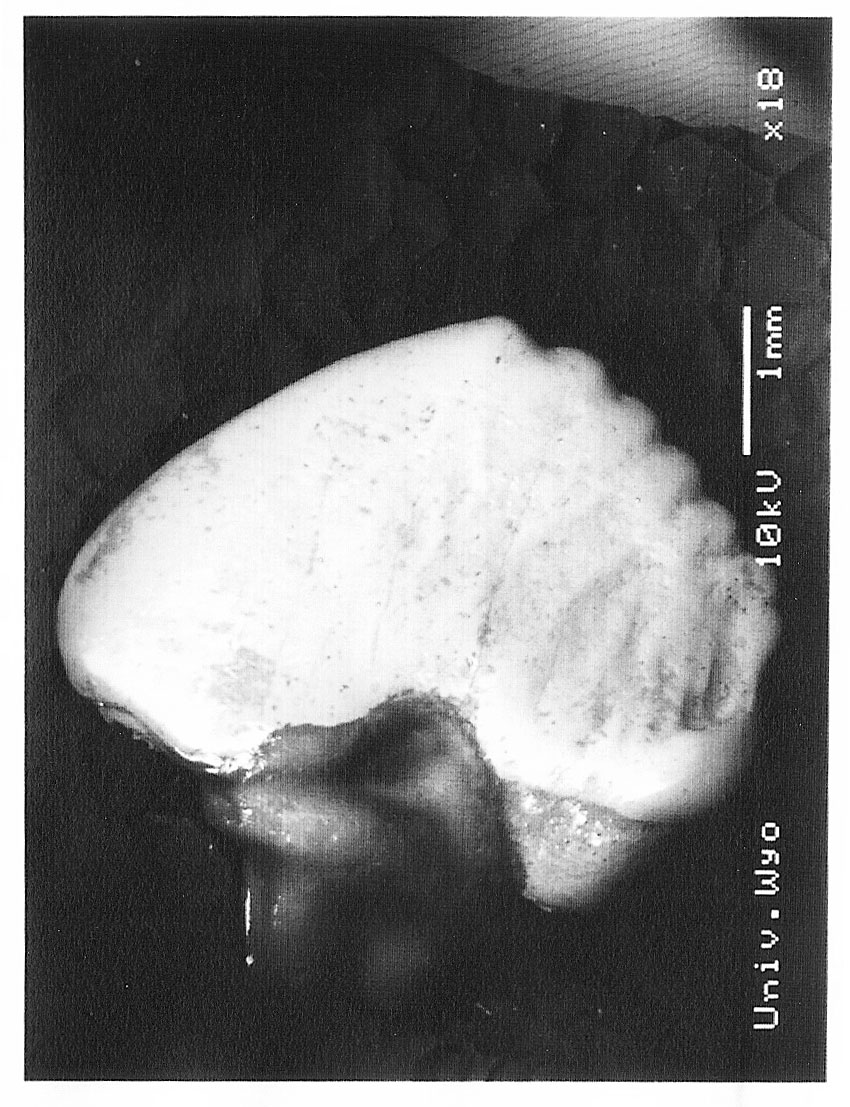
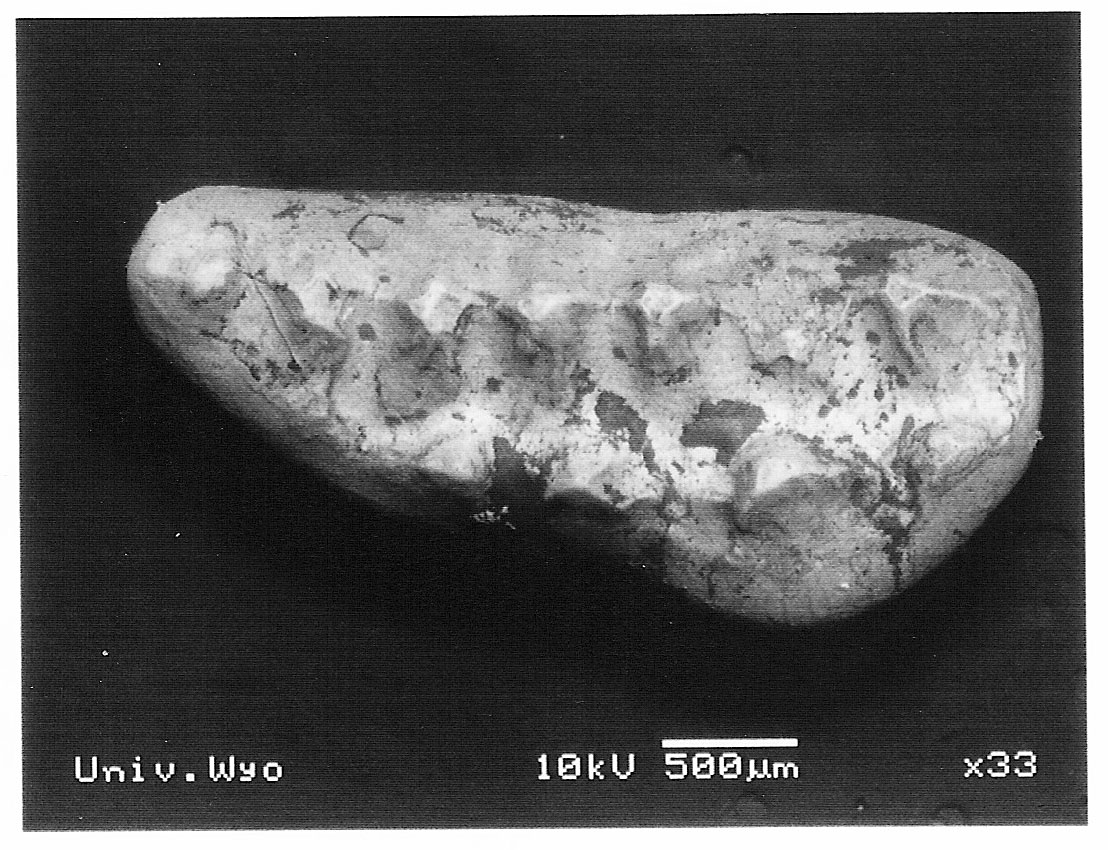
Multituberculates have a unique dentition that includes a blade-like lower fourth premolar. Their other molars and premolars possess rows of cusps (which are sometimes worn into ridges), which give the teeth a Lego-block look. It is these cusps (or tubercles) that give multituberculates their name. Their front teeth poke out like rodent incisors do, though they did not seem to continuously grow like the teeth of modern rodents.


Multituberculates lack the “tribosphenic” tooth pattern shared by all living mammals (marsupials and placental mammals) except the egg-laying mammals (platypus and spiny anteaters). Because of this, and other features of their skeletons, paleontologists suspect that multituberculates may have been egg-laying mammals. This may be one of the reasons why multituberculates were replaced by the more rapidly reproducing rodents.

 Penny Higgins - Storyteller • Artist • Scientist